Florida Pollen Seasons and Your HVAC Filter
Oak and pine in spring, grass in summer, ragweed in fall. How Florida's long pollen calendar affects your HVAC filter and how to choose and change it.
Florida doesn't really have an off-season for pollen. Mild winters let trees bloom early, warm summers keep grass growing, and fall brings weeds. For your home, that means the HVAC filter is working nearly all year. Understanding the pollen calendar, and how your filter handles it, is more useful than any one-time fix.
The Central Florida pollen calendar
Exact timing shifts from year to year with the weather, but the general pattern is consistent:
- Late winter into spring: trees. Oaks are a major source, and pine pollen is the yellow dust you see on cars and pool screens. Other trees add to the mix.
- Late spring through summer: grasses. Lawns and open fields release grass pollen through the warm months.
- Late summer and fall: weeds. Ragweed is the best known.
- Year-round: outdoor mold spores, which thrive in warm, humid weather.
Local pollen forecasts can tell you what's high on a given day. If you have allergies, your doctor can help you figure out which types affect you.
What your filter actually does
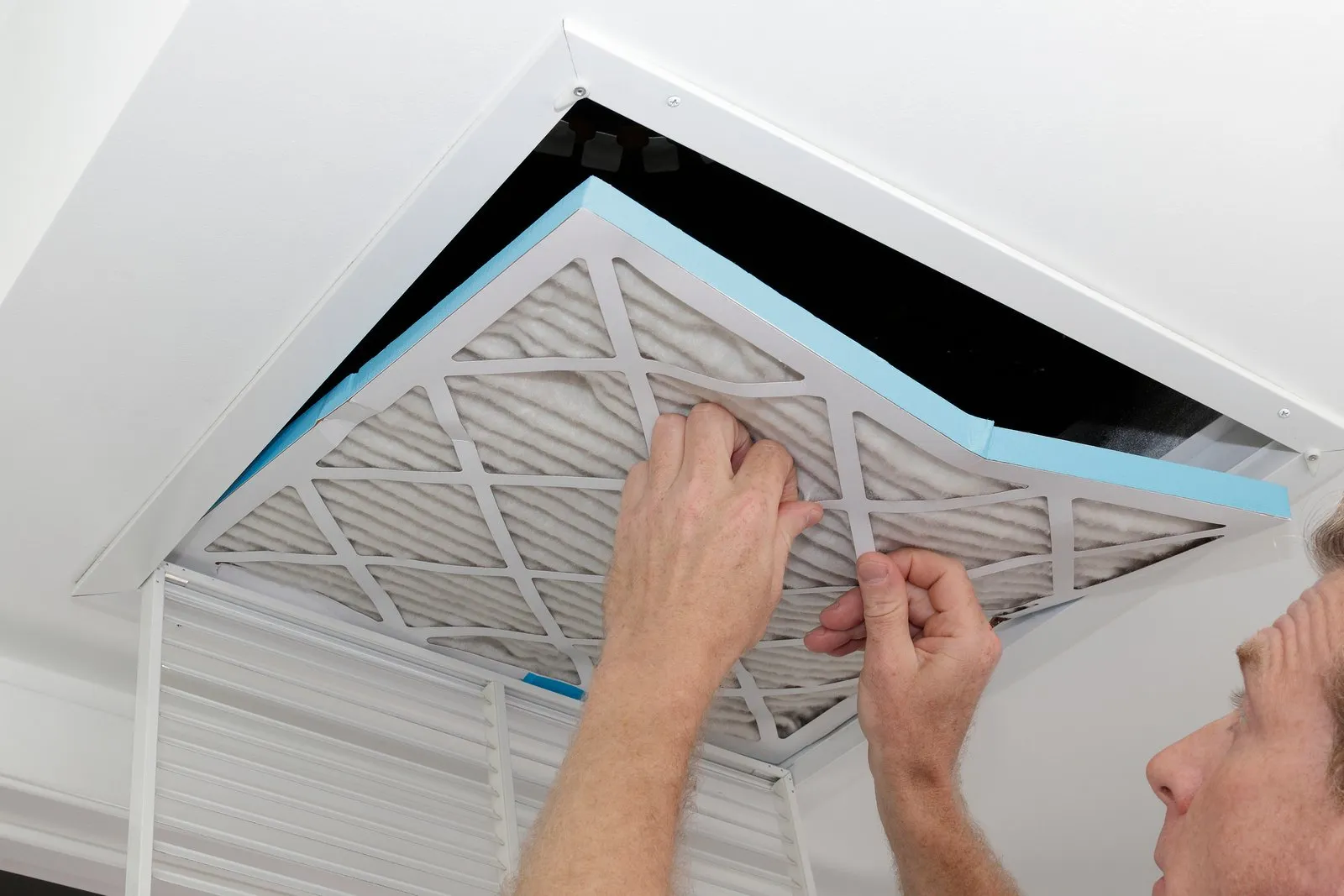
Your HVAC filter sits at the return and cleans the air before it reaches the blower and coil. Its main job is to protect the equipment and ducts from dust and debris. It also catches some of the pollen and other particles that make their way indoors.
Two things decide how well it works:
- The filter's efficiency. Filters are commonly rated on the MERV scale. Higher ratings capture smaller particles.
- How well it fits. The EPA notes that air can bypass a filter through gaps around the filter holder. A high-rated filter that doesn't seal is less effective than a well-fitting one.
Choosing the right filter
It's tempting to buy the densest filter on the shelf. That isn't always the best choice. A filter that's too restrictive for your system can reduce airflow, which can affect comfort and strain the equipment.
Instead:
- Check your equipment manual or ask your HVAC contractor which filter ratings your system can handle.
- Buy the exact size. The size is printed on the frame of your current filter.
- Look at the filter slot. If there are gaps around the edges, ask your HVAC contractor about sealing them.
How often to change it in pollen season
Filter packaging gives a general guideline, but in Florida it's better to go by what you see. During heavy tree pollen weeks, a filter can load up much faster than the label suggests.
A simple approach:
- Write the install date on the filter frame.
- Check it monthly, and every couple of weeks during heavy pollen periods.
- Hold it up to the light. If you can't see light through it, or it looks gray and clogged, replace it.
- Keep spares so you're not tempted to wait.
Other ways to keep pollen out
The filter can only work on the air that reaches it. Reducing how much pollen comes inside helps more:
- Keep windows and doors closed on high-pollen days.
- Take shoes off at the door, and rinse pets' coats after time outside during heavy pollen periods if they tolerate it.
- Wash bedding regularly.
- Vacuum with a HEPA-filter vacuum, as the EPA suggests for routine house cleaning.
- Wipe and vacuum return grilles, where pollen and dust collect.
Does duct cleaning help with pollen?
This is where expectations matter. The EPA states that duct cleaning has never been shown to prevent health problems, and much of the dust in ducts sticks to the duct walls rather than blowing into the room. A cleaning isn't an allergy treatment, and we won't tell you it is.
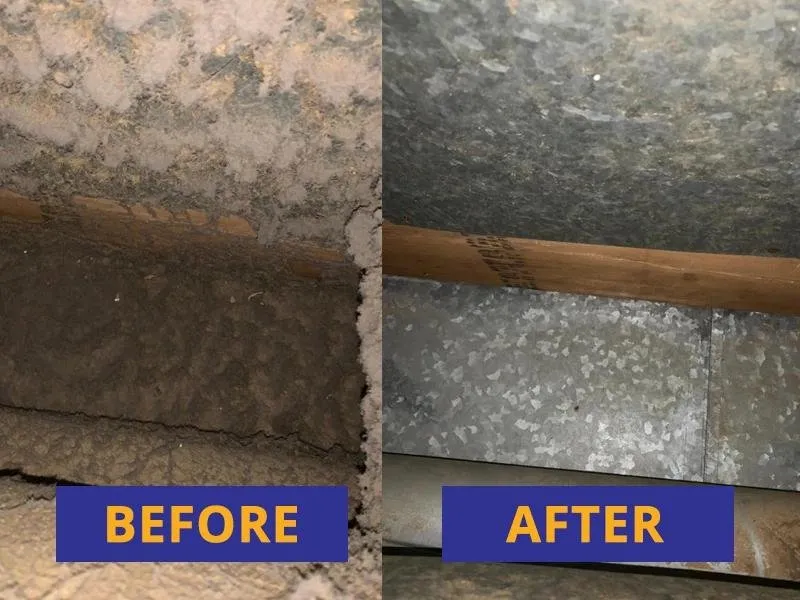
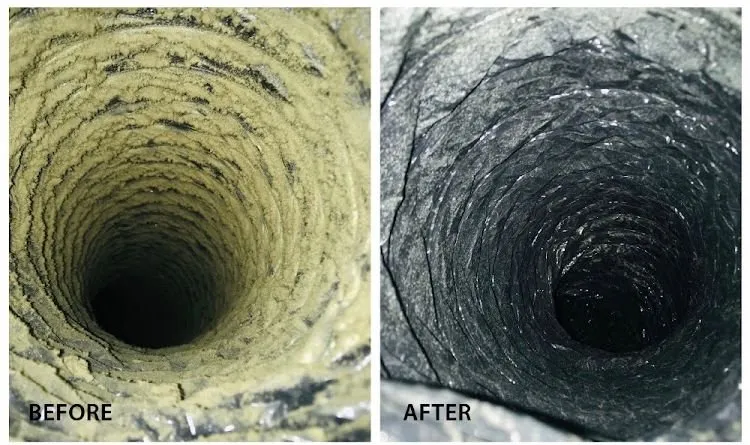
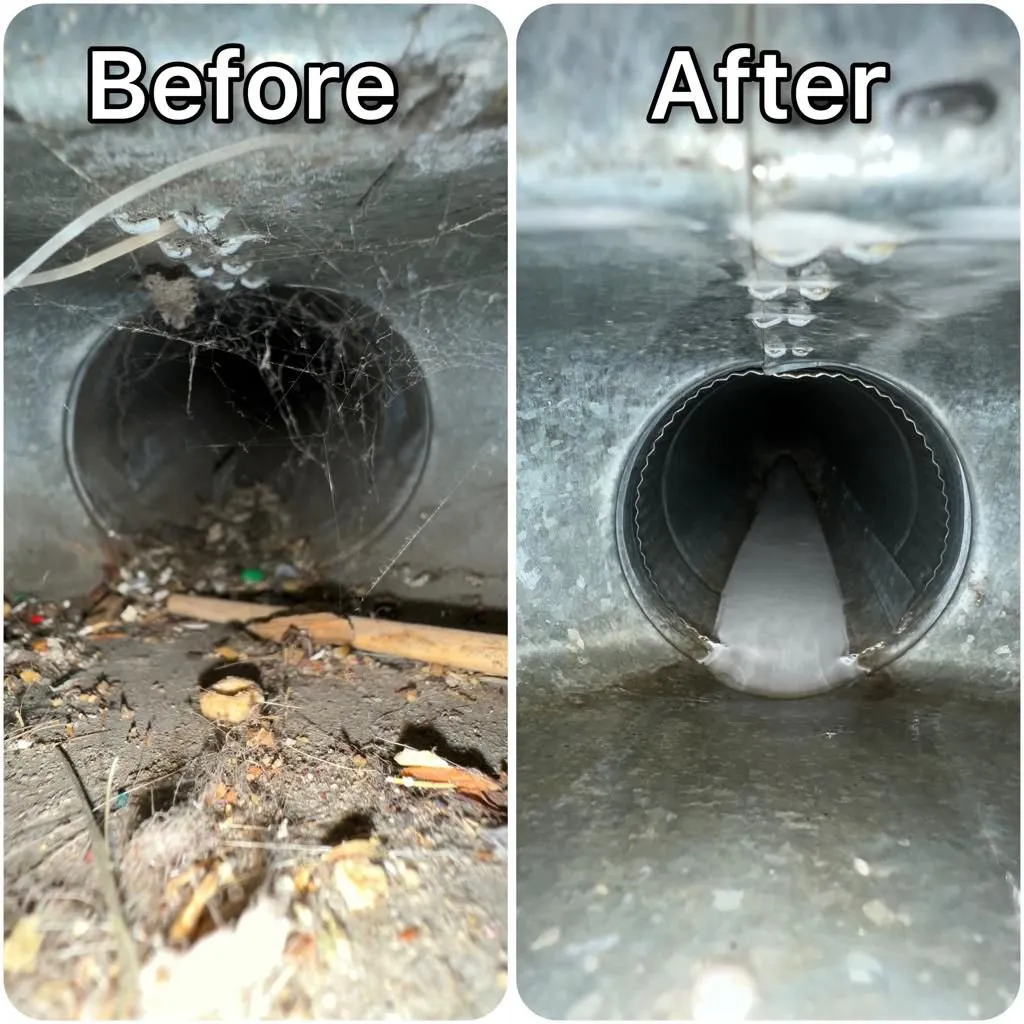
What it can do is help remove built-up dust and debris when there's a real buildup: dust blowing from registers, heavy deposits on returns, construction dust after a remodel or pests in the ducts. If those apply, air duct cleaning from Superb Air Duct Cleaning Kissimmee is $199 for up to 10 vents, plus $29 per additional vent. If not, your filter routine is doing the important work.
Don't forget the dryer
Laundry season never ends either. Pollen-covered clothes, beach towels and bedding all go through the dryer. Clean the lint filter every load, as the U.S. Fire Administration recommends, and have the vent cleaned at least once a year. Our dryer vent cleaning is $99 for up to 10 feet.
The takeaway
In Kissimmee, FL, pollen is a year-round reality. The right filter, changed when it needs it, does most of the work. Pair that with good household habits and you'll keep your system and your ducts in much better shape. See our pricing page when you're ready for help.