Humidity and Indoor Air: Keeping Ducts Fresh Year-Round
How Florida humidity affects your AC and ducts, the indoor humidity range the EPA suggests and simple ways to keep your system dry and clean.
In Central Florida, humidity is part of daily life. You feel it the moment you step outside, and your air conditioner feels it all year. What many homeowners don't realize is how much of the AC's job is dealing with moisture, not just heat, and how closely that moisture is tied to the condition of the ducts. Keeping the air inside your home on the dry side is one of the most useful things you can do for your HVAC system.
Moisture is the real issue
The EPA calls moisture control the most effective way to prevent biological growth in air ducts. Dust on its own is mostly a nuisance. Dust plus moisture is what can lead to musty odors and, in worse cases, mold.
Moisture can get into a duct system in several ways:
- Condensation at the coil. The EPA notes this is a major factor in moisture contamination. It's normal for the coil to be wet, but water should drain away completely.
- Sweating ducts. Ducts in a hot attic carry cold air. If the insulation is damaged or the seams leak, the outside of the duct can sweat.
- Leaks. Roof leaks, plumbing leaks and drain pan overflows can all wet ductwork.
- Humid air pulled in. Leaky return ducts in the attic or garage can draw in hot, humid air.
The humidity range to aim for
The EPA recommends keeping indoor relative humidity below 60 percent, and ideally between 30 and 50 percent. In much of Central Florida, staying near the lower end isn't always realistic in midsummer, but staying below 60 percent is a reasonable goal.
An inexpensive digital hygrometer, sold at most hardware stores, will tell you where your home stands. Check readings in a few rooms and at different times of day. If you regularly see readings above 60 percent with the AC running, talk to an HVAC contractor.
Habits that keep humidity in check
Most of the work is done by your AC, but daily habits help:
- Use the "auto" fan setting. When the fan runs constantly, it can blow air across the wet coil after the compressor shuts off and send moisture back into the house.
- Run bathroom exhaust fans during and after showers, and the range hood when cooking.
- Keep doors and windows closed when the AC is on, especially on muggy days.
- Make sure the dryer vents outdoors. A dryer vent that's disconnected behind the machine, or that ends in the attic or garage, dumps warm, wet air into the house. The U.S. Fire Administration also advises checking that the outdoor vent flap opens when the dryer runs.
- Don't turn the AC off completely when you travel. A raised thermostat setting keeps some dehumidification going. Ask your HVAC contractor what setting works for your system.
What your HVAC contractor can do
Some humidity problems need equipment fixes. An HVAC contractor can:
- Clean the coil and drain pan, which the EPA suggests during routine maintenance
- Clear a slow or clogged condensate drain
- Check whether the system is sized correctly, since oversized equipment can cool quickly without removing enough moisture
- Seal leaky duct connections and repair damaged duct insulation
- Discuss whether a dehumidifier makes sense for your home
These are HVAC services. Superb Air Duct Cleaning Kissimmee cleans ducts and dryer vents, and we'll point you to an HVAC contractor or mold professional when the problem is outside our work.
Where duct cleaning fits
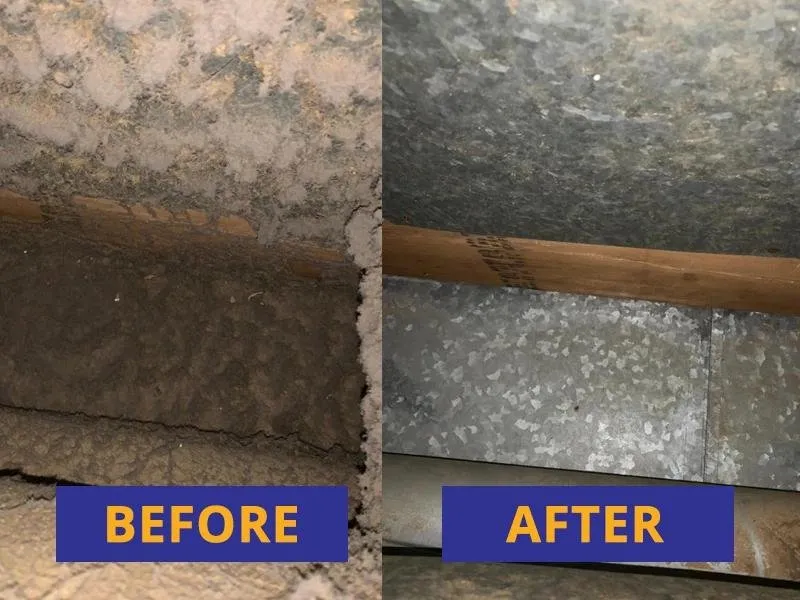
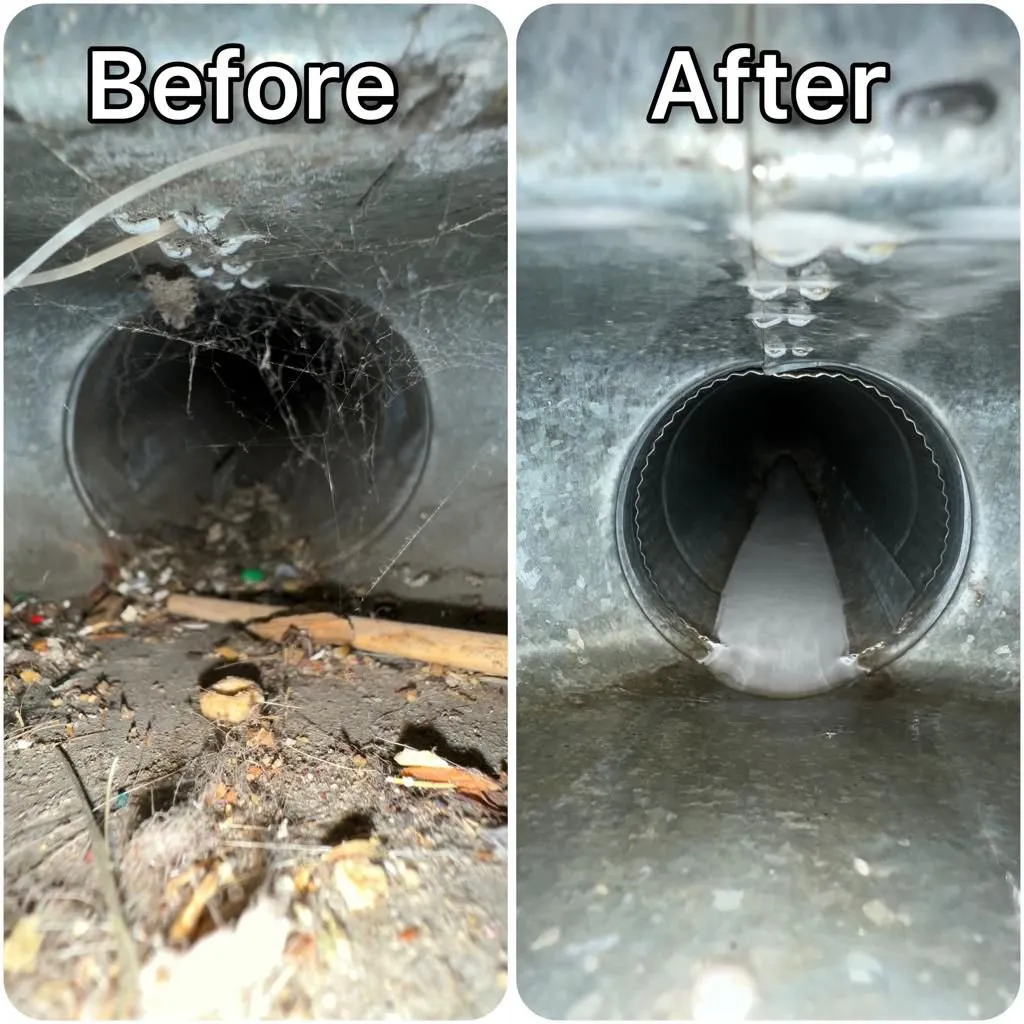
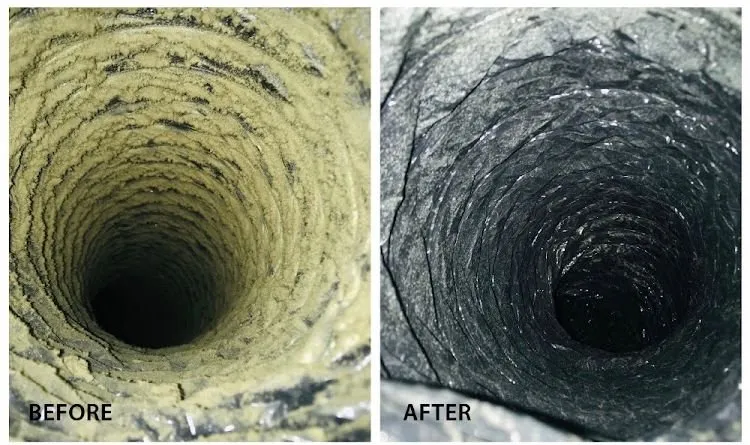
Duct cleaning doesn't control humidity, and it doesn't cure mold. What it can do is help remove built-up dust and debris that's been sitting in the ducts, so there's less material for moisture to cling to once the moisture problem is solved.
Consider a cleaning when:
- Dust visibly blows out of supply registers, or the registers and returns get coated quickly
- You've finished a renovation and construction dust got into the system
- Pests have been in the ducts
Our air duct cleaning is $199 for up to 10 vents, plus $29 for each additional vent. For heavier buildup, deep duct cleaning is $59.99 per vent.
If you see what looks like mold inside the ducts or on the equipment, call a mold professional and fix the moisture source first. The EPA notes that if the conditions causing mold aren't corrected, the growth will come back, and wet or moldy duct insulation should be replaced rather than cleaned.
A year-round routine for Florida homes
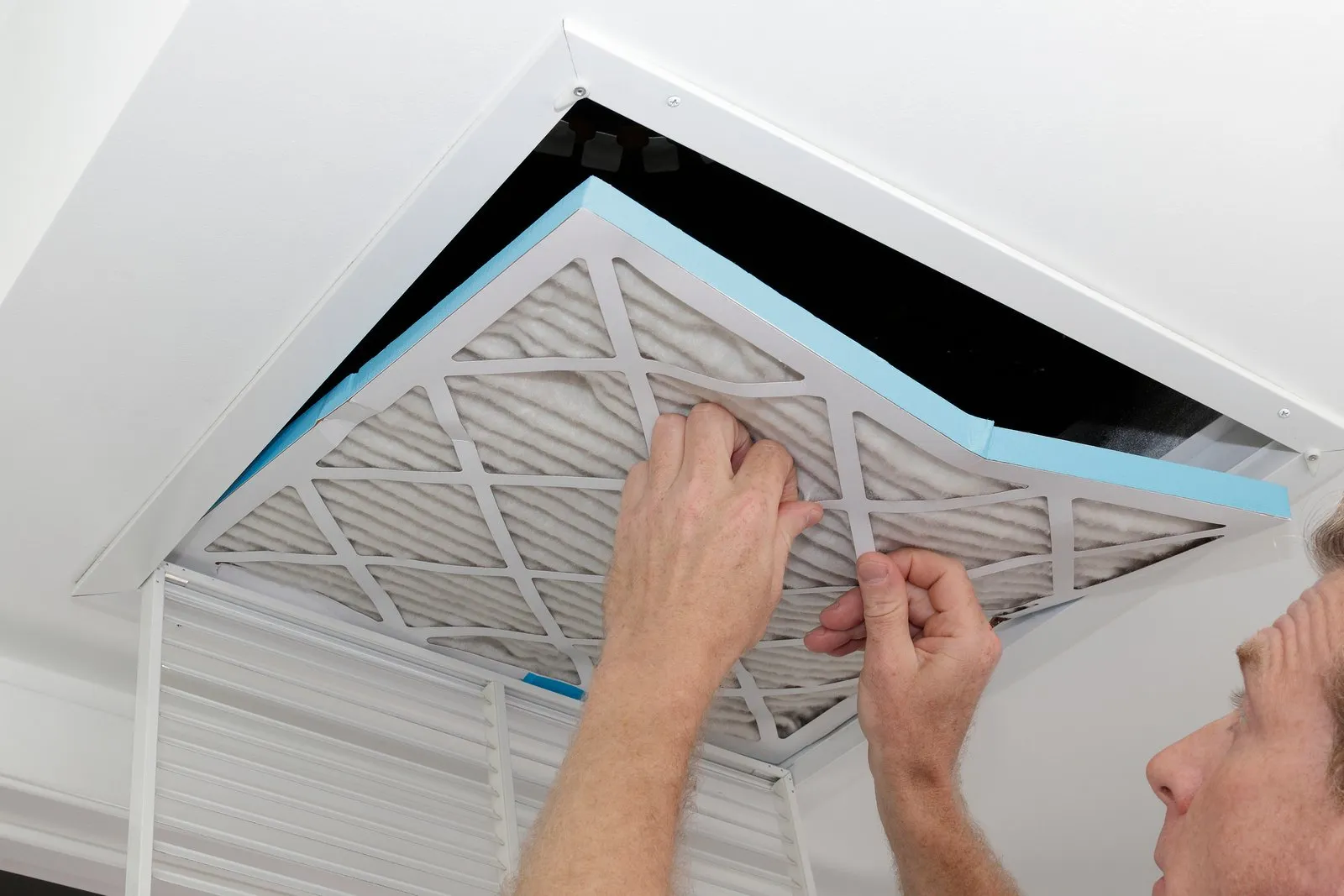
- Monthly: check the filter and replace it when it's dirty; glance at the hygrometer.
- Every few months: look at the condensate drain outlet while the AC runs to confirm it's dripping.
- Yearly: HVAC maintenance, including the coil and drain pan; dryer vent cleaning, as the USFA recommends at least once a year.
- As needed: duct cleaning when you see buildup.
Humidity isn't going anywhere in Kissimmee, FL. With a dry, well-maintained system, your ducts stay in much better shape. See our pricing page for all services.